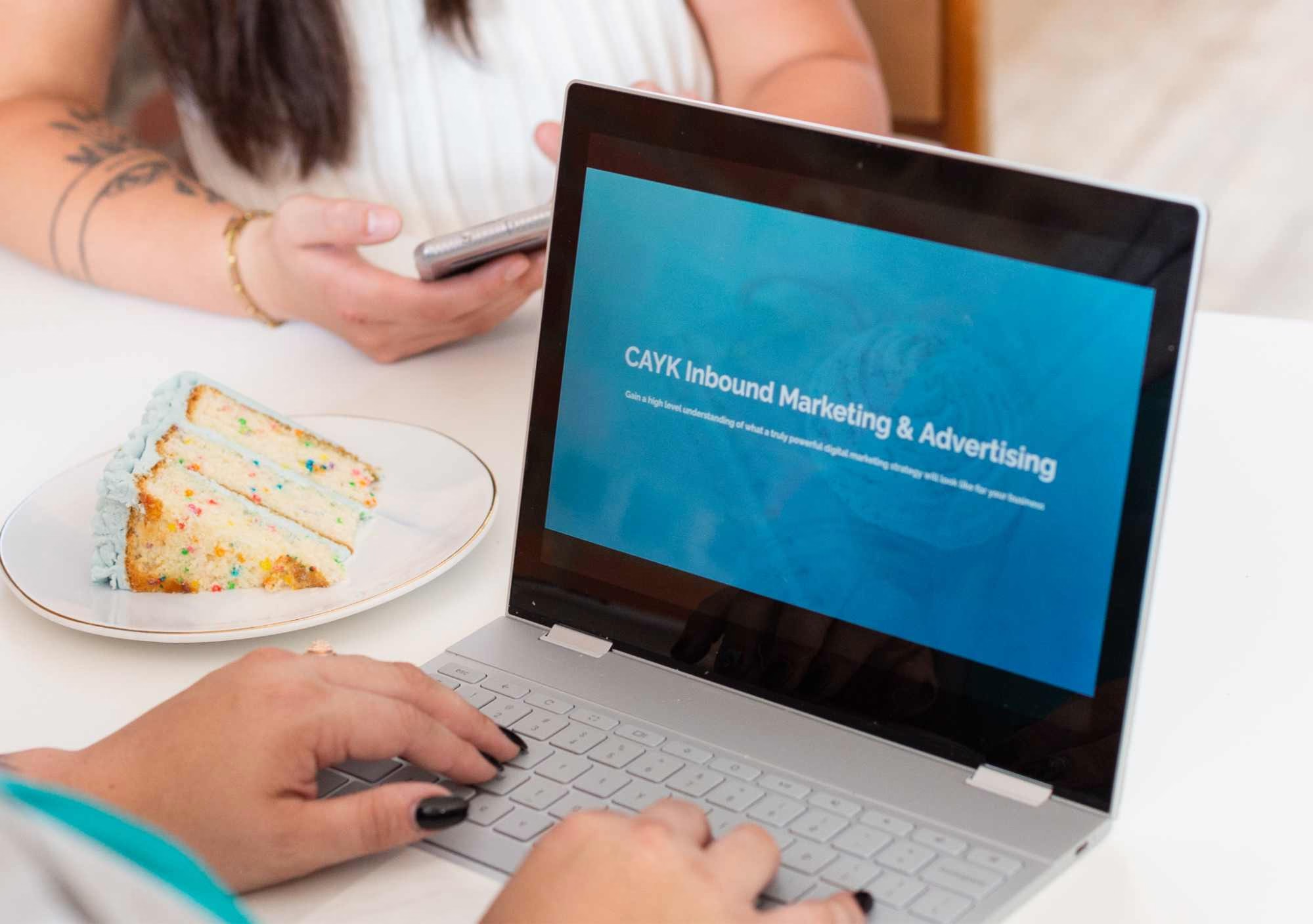


Businesses often invest in advertising, SEO, a new website and content without seeing the consistent growth they expected. Each activity may have a reasonable purpose, but separate projects do not automatically add up to a productive marketing strategy. When they are planned and measured independently, a company can spend more while overlooking the weaknesses that prevent prospects from becoming customers.
A marketing system connects the work of attracting attention, earning trust, generating inquiries and converting those inquiries into revenue. The strongest return is not always produced by the largest budget. It often comes from making the parts of customer acquisition work together.
What Is a Marketing System?
A marketing system is the coordinated set of strategies, channels, website experiences, sales processes and measurements a business uses to attract and acquire customers. Its value lies in the connections. Advertising may bring the right people to a page, but the page must answer their questions and make the next step clear. Sales follow-up must then turn an appropriate inquiry into a real opportunity, while reporting shows where the process is working and where it needs attention.
This is different from simply having a collection of marketing services. A company can be active on several channels and still lack a system if those channels pursue unrelated goals or nobody can explain how they contribute to customer acquisition.
Why Doesn’t a Bigger Marketing Budget Always Produce More Revenue?
More spending can work when a business has proven demand, sufficient capacity and an effective way to convert new prospects. It can also magnify an existing problem. Suppose paid advertising sends relevant visitors to a website with confusing service descriptions, weak evidence of credibility and a difficult contact process. Doubling the advertising budget may bring more people into the same frustrating experience without meaningfully improving sales.
Before increasing spending, business owners should understand where opportunities are being lost. The next investment might be additional advertising, but it could just as reasonably be a clearer landing page, better targeting or faster responses to inquiries. The correct choice comes from diagnosing the process rather than assuming more traffic is the answer.
How Should SEO, Paid Advertising and Your Website Work Together?
SEO helps potential customers find a business in organic search results, while paid advertising creates opportunities to reach selected audiences through sponsored placements. Both channels usually depend on the website to turn interest into action. When their goals and reporting are connected, what a company learns in one area can improve decisions elsewhere.
For example, paid search can help identify search terms that bring in qualified inquiries, which may inform future content priorities. Organic search content can answer questions buyers ask before they are ready to contact a provider. Website behaviour can reveal whether visitors understand the offer or hesitate because important information is missing. These insights are more useful when teams share them than when each channel reports success separately.
The point is not that every business needs every channel. It is that the channels selected should support a coherent buying experience and be evaluated against shared business goals.
Why Should the System Reflect How Customers Actually Buy?
A homeowner dealing with an urgent repair may choose a provider within minutes, while a company selecting a major technology partner may spend months comparing options and obtaining approval. These customers need different information, different follow-up and different measures of progress. A system built around the wrong buying process can waste money even when individual campaigns are competently managed.
Start with the questions prospects ask before purchasing, the objections that delay decisions and the actions that indicate genuine interest. A business with urgent local demand may need strong search visibility and an easy way to call. A B2B company with a longer sales cycle may need detailed educational material, proof of experience and a reliable process for nurturing and qualifying opportunities. Strategy should follow customer behaviour, not the popularity of a particular platform.
Can Conversion Optimization Improve Returns Without More Traffic?
Yes, when a website is losing suitable prospects because its experience creates unnecessary friction. Imagine 5,000 monthly visits producing inquiries from 2 percent of visitors, or 100 inquiries. If improvements raise that rate to 3 percent, the same traffic produces 150 inquiries. That is a 50 percent increase in inquiries without additional visitors, although the financial benefit depends on the quality of those inquiries and the sales team’s ability to convert them.
Meaningful conversion optimization involves understanding why people hesitate and testing improvements to messaging, page structure, proof, speed and contact processes. It is not limited to changing button colours. In a connected system, the resulting data also helps determine whether traffic campaigns should expand or whether other bottlenecks deserve attention first.
What Does an Effective Marketing System Need to Include?
An effective system starts with clear commercial goals and a definition of the customers a business wants to acquire. It then uses the channels most likely to reach those customers, a website that communicates value, a dependable method of handling inquiries and measurement that connects activity with qualified opportunities and sales. Regular review is essential because costs, competition and customer behaviour change.
The system should be proportionate to the business. A smaller service company may need only a few well-managed channels and straightforward reporting. A larger organization may require more sophisticated segmentation, automation and attribution. Complexity is not the objective; a repeatable process that can be improved is.
How Do You Know When Your Marketing System Is Working?
A useful system makes it possible to see where customers come from, which inquiries are qualified, where prospects stop progressing and how acquisition costs compare with the value of new business. If traffic is strong but inquiries are weak, the website or audience fit may need work. If inquiries are strong but sales are flat, qualification or follow-up may be the issue. If acquisition costs rise, the business can investigate channel efficiency and conversion performance before deciding whether to increase or reduce investment.
At CAYK Marketing, we view PPC, SEO, websites, creative strategy and conversion optimization as connected contributors to business growth. The purpose of building a marketing system is not to add more activity to a company’s calendar. It is to make each investment accountable to the same commercial outcome and create a practical way to improve results over time.